Alternatives to Venice Without the Crowds
Adriatic cities with canals, history, and breathing room
Trieste: the Italian city that doesn't feel Italian
Trieste was Habsburg until 1918, and the city still wears that history. The cafes are Viennese in form, the dialect is shot through with Slovenian and German, and the architecture is unlike anything else on the Adriatic. The Piazza Unità d'Italia opens directly onto the Gulf of Trieste, which makes for one of the most theatrical city squares in Europe.
It is also one of the great coffee cities. Illy is from here, but the daily ritual happens at Caffè San Marco, Caffè degli Specchi, and a dozen smaller places. Ask for a nero (espresso), a capo (macchiato), or a capo in B (macchiato in a glass), because the standard Italian terms don't apply locally.
Ravenna: the mosaic capital
For 200 years in late antiquity, Ravenna was effectively the western capital of the Roman Empire. The legacy is eight UNESCO-listed buildings full of Byzantine mosaics, the densest concentration in the world. The Basilica of San Vitale and the Mausoleum of Galla Placidia are the headline acts.
The city itself is calm, flat, easy to cycle, and surrounded by the Po Delta wetlands. A single ticket covers most of the monuments. Two nights is the right amount of time.
Chioggia: the Venice that locals still live in
Chioggia sits at the southern end of the Venetian lagoon. It has canals, it has a fish market, it has a bridge that closes for boats. What it doesn't have is the cruise traffic. Day-trippers from Venice arrive in the morning and leave by 4 pm, after which the town belongs to the people who live there.
Eat at Osteria Penzo, walk the long colonnaded Corso del Popolo, watch the fishermen mending nets on the quay. It's not a substitute for Venice. It's a calmer version of the same lagoon.
Day trips that round out the trip
From Trieste: Miramare Castle on the cliffs, the Grotta Gigante, the Slovenian wine villages of the Karst.
From Ravenna: the small Adriatic resort of Cervia for an old-school beach evening, or Comacchio, the so-called Little Venice of Emilia-Romagna.
Suggested itinerary
- Days 1 to 3: Trieste, day trip to the Karst plateau and a Slovenian winery.
- Days 4 to 5: Ravenna for the mosaics, with an evening at the seaside in Cervia.
- Day 6: Chioggia as the gentle alternative to Venice's San Marco crowds.
Local highlights
- Trieste's Piazza Unità d'Italia, the largest sea-facing square in Europe
- Ravenna's UNESCO-listed Byzantine mosaics
- Chioggia's working fish market at dawn
- Caffè San Marco for coffee with the ghosts of Triestine writers
- A boat ride along Trieste's canal at sunset
Nearby destinations
Other places worth combining with this trip: Aquileia, Grado, Comacchio, Ljubljana.
Related guides
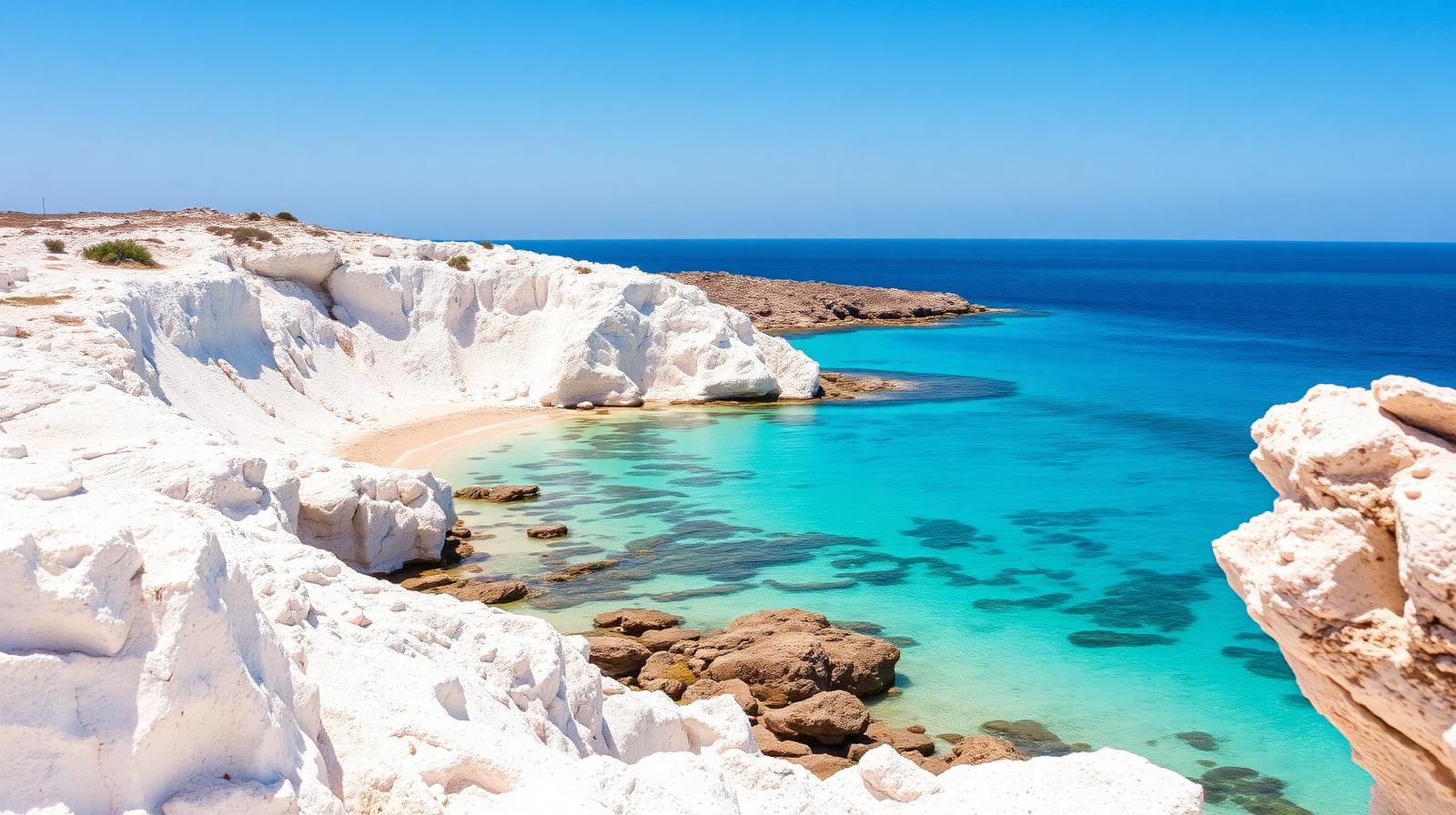
Where to Go Instead of Santorini
Santorini is genuinely beautiful and genuinely overwhelmed. The Cyclades have a dozen alternatives where the views, the swims, and the food are arguably better and the queues simply don't exist.
Quiet Coastal Alternatives to the Amalfi Coast
Amalfi is sublime, and in July it is also a single very long traffic jam. Italy's other coasts offer the same lemon trees, the same sea, and a fraction of the buses.
Less Crowded Alpine Destinations
Chamonix, Zermatt, and the Dolomite poster towns are spectacular and saturated. The Alps still have entire valleys that haven't been turned into queues.